Introduction
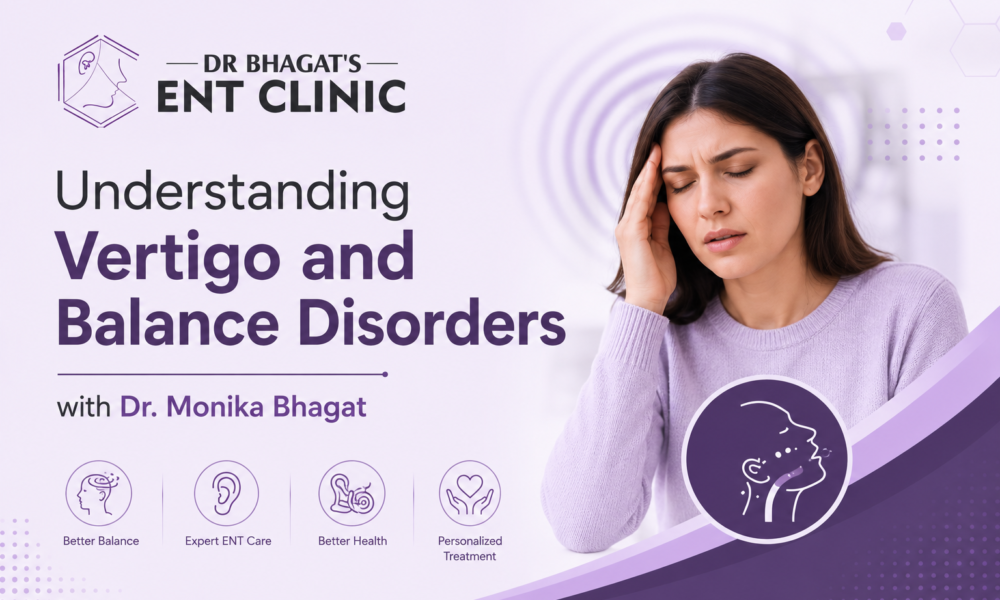
Feeling dizzy, unsteady, or as if the surroundings are spinning can be frightening and uncomfortable. These symptoms are commonly associated with vertigo and balance disorders, conditions that can affect people of all ages and significantly impact daily life.
According to Dr. Monika Bhagat, vertigo is not a disease itself but a symptom of an underlying problem related to the inner ear, balance system, or nervous system. Early diagnosis and proper treatment are important to prevent recurring episodes and improve quality of life.
What Is Vertigo?
Vertigo is a sensation that you or your surroundings are moving or spinning even when there is no actual movement. It is different from general dizziness because it specifically creates a spinning or rotational feeling.
Vertigo episodes may last for a few seconds, minutes, or even hours depending on the underlying cause. Some people may also experience nausea, vomiting, sweating, or difficulty walking during an episode.
What Causes Vertigo and Balance Disorders?
The inner ear plays a major role in maintaining body balance. Problems affecting this system can lead to vertigo and balance disorders.
Common causes include inner ear infections, benign paroxysmal positional vertigo (BPPV), Meniere’s disease, vestibular neuritis, migraine-related vertigo, head injuries, and age-related balance problems. In some cases, stress and anxiety may also worsen symptoms.
Dr. Monika Bhagat explains that identifying the exact cause is essential because treatment varies depending on the condition.
Common Symptoms of Vertigo
People suffering from vertigo and balance disorders may experience spinning sensations, dizziness, loss of balance, nausea, vomiting, difficulty walking, ear fullness, ringing in the ears, headaches, or blurred vision.
Some patients may notice symptoms worsening while changing head positions, standing up suddenly, or moving quickly.
When Should You Consult an ENT Specialist?
Occasional dizziness may not always be serious, but repeated or severe episodes should never be ignored. You should consult an ENT specialist if dizziness occurs frequently, affects walking or daily activities, is associated with hearing problems, or causes falls and imbalance.
Dr. Monika Bhagat recommends immediate medical attention if vertigo is accompanied by severe headache, weakness, difficulty speaking, or sudden hearing loss.
How Are Balance Disorders Diagnosed?
Diagnosis begins with a detailed medical history and physical examination. An ENT specialist may perform balance assessments, hearing tests, positional tests, or imaging studies depending on the symptoms.
In some cases, advanced diagnostic procedures help evaluate inner ear function and identify the root cause of vertigo.
Treatment Options for Vertigo
Treatment depends on the underlying condition causing vertigo. Many patients improve with medications, vestibular rehabilitation exercises, lifestyle modifications, and hydration.
Certain conditions such as BPPV can often be treated using repositioning maneuvers that help move displaced crystals in the inner ear back into their proper position. If infections or ear disorders are responsible, targeted medical treatment may be recommended.
Patients are also advised to avoid sudden head movements, maintain proper sleep, reduce stress, and stay hydrated to minimize episodes.
Can Vertigo Be Prevented?
While all cases cannot be prevented, maintaining good ear health, staying physically active, managing stress, controlling blood pressure, and seeking early treatment for ear infections may reduce the risk of balance disorders.
Regular medical evaluation is important for people experiencing recurring dizziness or imbalance.
Conclusion
Vertigo and balance disorders can affect confidence, mobility, and everyday activities. Although symptoms may appear mild initially, persistent dizziness should never be ignored.
Dr. Monika Bhagat provides expert evaluation and treatment for vertigo, dizziness, hearing problems, and other ENT-related conditions. Early diagnosis and personalized treatment can help patients regain balance, improve stability, and return to normal daily life comfortably.
Frequently Asked Questions (FAQs)
What is the difference between dizziness and vertigo?
Dizziness is a general feeling of lightheadedness or unsteadiness, while vertigo specifically creates a spinning sensation or feeling that surroundings are moving.
Can vertigo go away on its own?
Some mild cases may improve naturally, but recurring or severe vertigo requires medical evaluation to identify the underlying cause.
Is vertigo related to ear problems?
Yes, many cases of vertigo are linked to inner ear disorders that affect the body’s balance system.
Can stress cause vertigo?
Stress and anxiety may worsen dizziness and trigger vertigo symptoms in some individuals.
How is vertigo treated?
Treatment may include medications, balance exercises, lifestyle changes, hydration, or specific repositioning procedures depending on the cause.
When should I consult Dr. Monika Bhagat for vertigo?
You should seek medical attention if dizziness is frequent, severe, affects balance, causes falls, or is associated with hearing problems or nausea.