Breathing comfortably through your nose is something most people take for granted until persistent nasal blockage begins affecting daily life. If you frequently struggle with one-sided nasal congestion, snoring, repeated sinus infections, or difficulty breathing while sleeping, you may have a deviated nasal septum. Seeking timely Deviated Nasal Septum Treatment can significantly improve your breathing, sleep quality, and overall health.
A deviated nasal septum Treatment occurs when the thin wall separating the two nasal passages shifts away from the center. While many people have a mild deviation without noticeable symptoms, moderate to severe cases can restrict airflow and increase the risk of infections and other nasal complications. At Dr. Monika Bhagat ENT Clinic, Hadapsar, Pune, every patient receives a comprehensive evaluation and a personalized treatment plan designed to address the underlying cause rather than simply managing symptoms.
What Is a Deviated Nasal Septum?
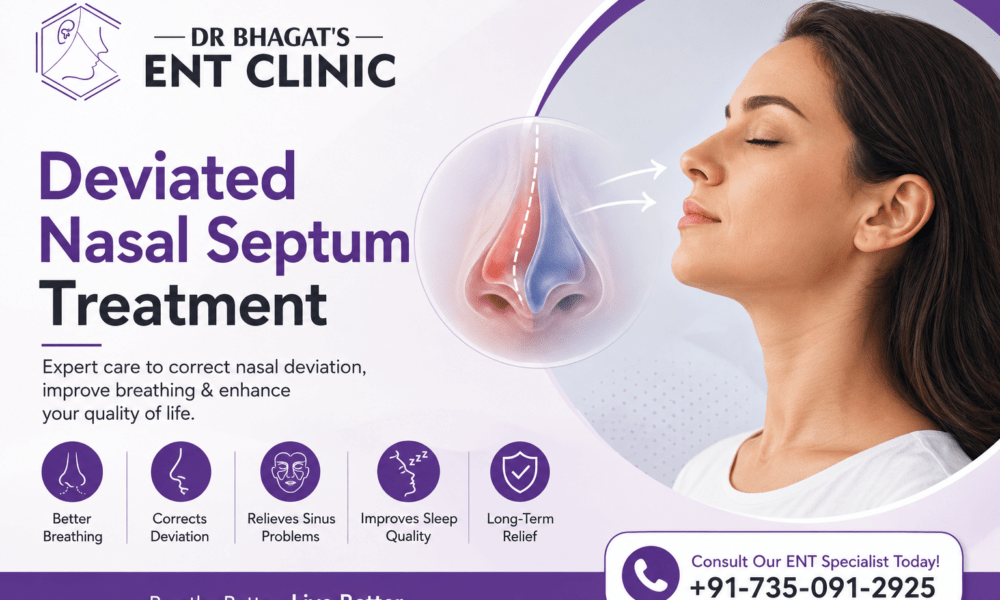
The nasal septum is made of cartilage and bone that divides the nose into two passages. Ideally, both sides should be nearly equal in size to allow smooth airflow. However, injury, genetics, or developmental changes can cause the septum to shift, resulting in a deviated septum.
Many people do not realize they have this condition until symptoms become persistent. Proper Deviated Nasal Septum Treatment begins with a detailed ENT examination to determine the severity of the deviation and whether it is contributing to other conditions such as Chronic Sinusitis or frequent nasal infections.
Common Symptoms of a Deviated Nasal Septum
The symptoms vary depending on the degree of deviation. Some patients experience only mild discomfort, while others face continuous breathing difficulties.
Common symptoms include:
- Difficulty breathing through one or both nostrils
- Persistent nasal blockage
- Frequent snoring
- Mouth breathing during sleep
- Recurrent sinus infections
- Facial pressure and headaches
- Reduced sense of smell
- Frequent Nose Bleeding Causes related to dryness and irritation
If these symptoms continue for several weeks, consulting a Nose Specialist Near Me is recommended to prevent long-term complications.
Table 1: Signs and Recommended Treatment
| Symptom | Possible Cause | Recommended Treatment |
| Nasal blockage | Deviated septum | ENT evaluation and medication |
| Frequent sinus infections | Chronic inflammation | Deviated Nasal Septum Treatment |
| Snoring | Restricted airflow | Septal correction if required |
| Recurrent nosebleeds | Dry nasal lining | Identify Nose Bleeding Causes |
| Facial pressure | Chronic Sinusitis | Medical management and follow-up |
How a Deviated Septum Affects Sinus Health
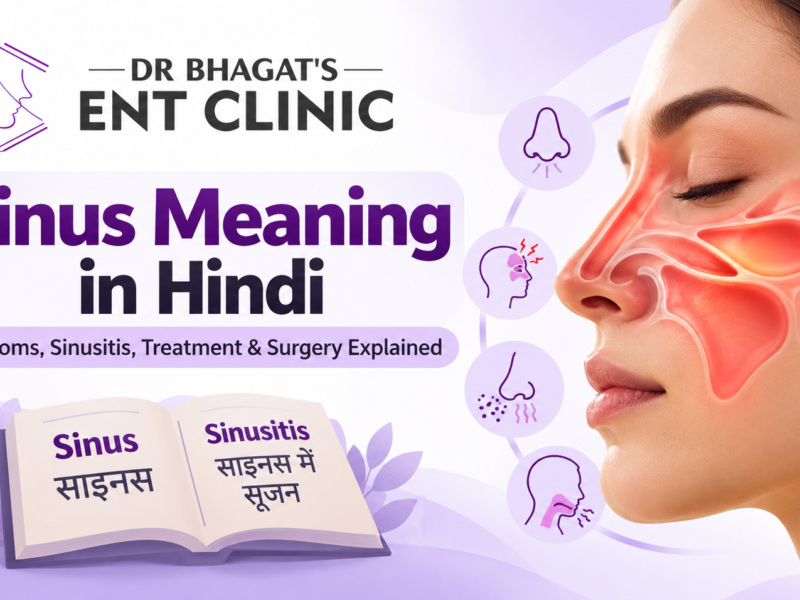
One of the most common complications of a deviated septum is poor sinus drainage. When mucus cannot drain properly, bacteria and viruses multiply, increasing the likelihood of repeated infections.
Patients often experience typical Sinusitis Symptoms, including facial pain, thick nasal discharge, nasal congestion, headaches, postnasal drip, and fatigue. When these symptoms persist for more than twelve weeks, the condition is classified as Chronic Sinusitis.
Timely Deviated Nasal Septum Treatment not only improves breathing but also reduces the frequency of sinus infections and helps restore normal nasal function.
Diagnosis by an Experienced ENT Specialist
An accurate diagnosis is the first step toward effective treatment. During your consultation, Dr. Monika Bhagat performs a detailed clinical examination and may recommend nasal endoscopy to assess the internal nasal structures.
This evaluation helps determine whether the symptoms are caused solely by a deviated septum or are associated with allergies, nasal polyps, or chronic infections. Patients searching for an Otolaryngologist Near Me benefit from a comprehensive assessment that considers all related ear, nose, and throat conditions.
Treatment Options for Deviated Nasal Septum
The best Deviated Nasal Septum Treatment depends on the severity of the condition and the patient’s symptoms.
For mild cases, medications such as nasal sprays, antihistamines, and decongestants may help reduce inflammation and improve airflow. However, these treatments do not correct the structural deviation.
When the septum significantly blocks airflow or causes repeated infections, septoplasty may be recommended. Septoplasty is a safe and effective surgical procedure that straightens the septum, restores normal breathing, and reduces the likelihood of recurring sinus problems.
Because every patient is unique, treatment is always personalized after a complete ENT evaluation.
ENT Care Beyond Nasal Problems
Nasal conditions often affect the ears and throat because these structures are interconnected. Patients suffering from chronic nasal blockage may also experience ear fullness, hearing changes, or repeated ear infections.
As an experienced Ear Doctor Pune, Dr. Monika Bhagat also treats hearing disorders, ear infections, tinnitus, dizziness, and performs safe Ear Wax Removal Pune using modern techniques.
Children with persistent nasal obstruction may require evaluation for enlarged adenoids. As a trusted Pediatric ENT Specialist Pune, Dr. Monika Bhagat carefully assesses children experiencing mouth breathing, snoring, recurrent ear infections, or sleep disturbances. When required, Enlarged Adenoids Treatment is planned based on the child’s age, symptoms, and overall health.
Table 2: When Should You Visit an ENT Specialist?
| Symptom | Possible Condition | ENT Consultation |
| Persistent nasal blockage | Deviated septum | Recommended |
| Facial pain with congestion | Chronic Sinusitis | Recommended |
| Recurrent nosebleeds | Structural abnormality | Recommended |
| Loud snoring | Airway obstruction | Recommended |
| Mouth breathing in children | Enlarged adenoids | Recommended |
| Ear blockage with nasal symptoms | Eustachian tube disorder | Recommended |
Why Choose Dr. Monika Bhagat ENT Clinic?
Choosing the right ENT specialist ensures accurate diagnosis and long-term relief. Dr. Monika Bhagat provides patient-centered care using modern diagnostic methods and evidence-based treatment for adults and children.
Whether you require Deviated Nasal Septum Treatment, management of Chronic Sinusitis, evaluation of Nose Bleeding Causes, consultation with an ENT Doctor Kondhwa, or treatment from a trusted Nose Specialist Near Me, every treatment plan is tailored to your specific condition.
The clinic focuses on identifying the root cause of symptoms instead of providing only temporary relief, helping patients breathe comfortably and enjoy a better quality of life.
Conclusion
Ignoring persistent nasal blockage can lead to recurring infections, disturbed sleep, headaches, and difficulty breathing. Early Deviated Nasal Septum Treatment helps restore normal airflow, reduces sinus infections, and improves daily comfort. If you have been experiencing ongoing nasal symptoms, consulting an experienced ENT specialist is the best way to receive an accurate diagnosis and appropriate treatment before complications develop.
Contact With Us
If you are experiencing persistent nasal blockage, sinus infections, breathing difficulties, or other ENT concerns, schedule your consultation today.
Phone: +91-735-091-2925
Email: contact@drmonikabhagat.com
Website: https://drmonikabhagatent.com/
Clinic Address:
303, The Cosmopolis, Amanora Park Town, Hadapsar, Pune – 411028
Clinic Hours:
- Monday to Saturday: 11:00 AM to 08:00 PM
- Wednesday: Closed
- Sunday: 05:00 PM to 06:30 PM (By Appointment Only)
Frequently Asked Questions
1. What is Deviated Nasal Septum Treatment?
It includes medical management for mild cases and septoplasty surgery for severe deviations that cause breathing problems or repeated infections.
2. What are the common Sinusitis Symptoms?
Common symptoms include facial pain, nasal congestion, headache, thick mucus, reduced smell, postnasal drip, and fatigue.
3. What causes frequent nosebleeds?
Common Nose Bleeding Causes include dry weather, allergies, infections, nose injuries, uncontrolled blood pressure, and a deviated septum.
4. Can a deviated septum cause Chronic Sinusitis?
Yes. A deviated septum can block normal sinus drainage, increasing the risk of Chronic Sinusitis and recurring infections.
5. When should my child receive Enlarged Adenoids Treatment?
Treatment is recommended when enlarged adenoids cause mouth breathing, snoring, recurrent ear infections, or sleep disturbances.
6. Why should I visit Dr. Monika Bhagat ENT Clinic?
Dr. Monika Bhagat provides comprehensive ENT care, including Deviated Nasal Septum Treatment, sinus treatment, ear care, pediatric ENT services, and personalized treatment plans using modern diagnostic techniques.